Empty nest van life works best when you do the logistics first and the family conversation second, and you don't skip either one. Settle your budget and your nightly safety routine before you leave, then tell your kids what this changes and what it doesn't. Guilt is usually the first thing that shows up when you start planning, so I'd rather you meet it early than in the driveway.
My daughter, the younger of my two kids, left for college in Nebraska in mid-August. The school was about 45 minutes from home. A month later I was living in a tiny house community in North Carolina, halfway across the country.
I wasn't supposed to be there yet. My plan was to make that move two years down the road, in the summer of 2020. Then my daughter and I visited the community together, and she told me she probably wouldn't come home from college as often as she thought she would. She said I'd be so much happier there than in an empty house. I bought a house that day, came home, and got everything ready to move.
Getting ready was bigger than it sounds. I went from 1,632 square feet to 399, but in between there was only my Trailblazer. Only what fit in it was going with me. No storage unit. No UHaul trailer.
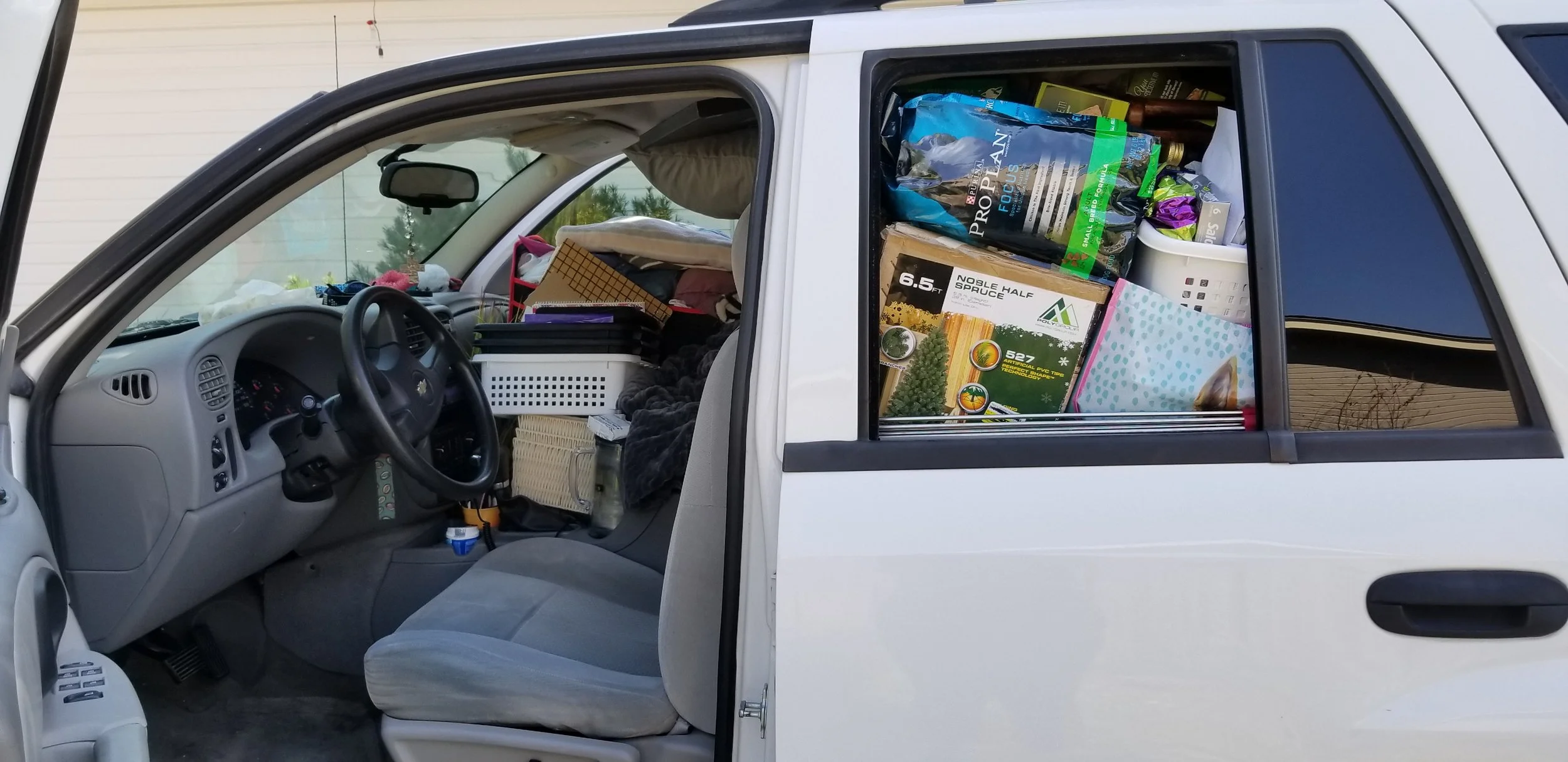
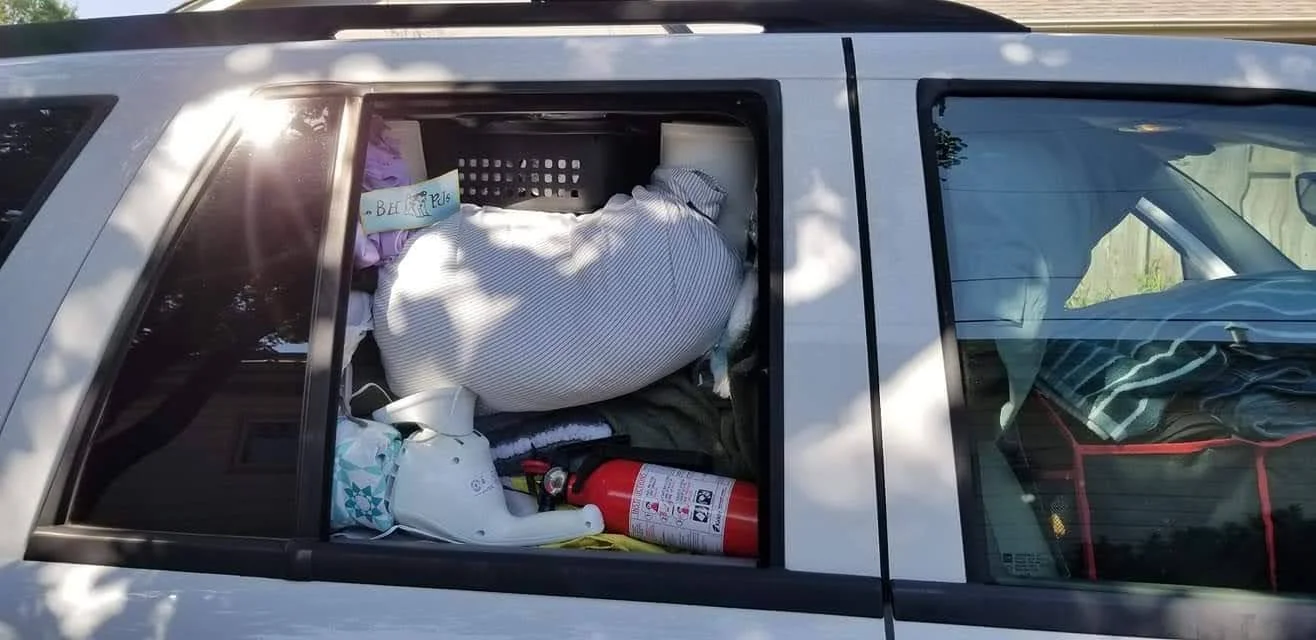
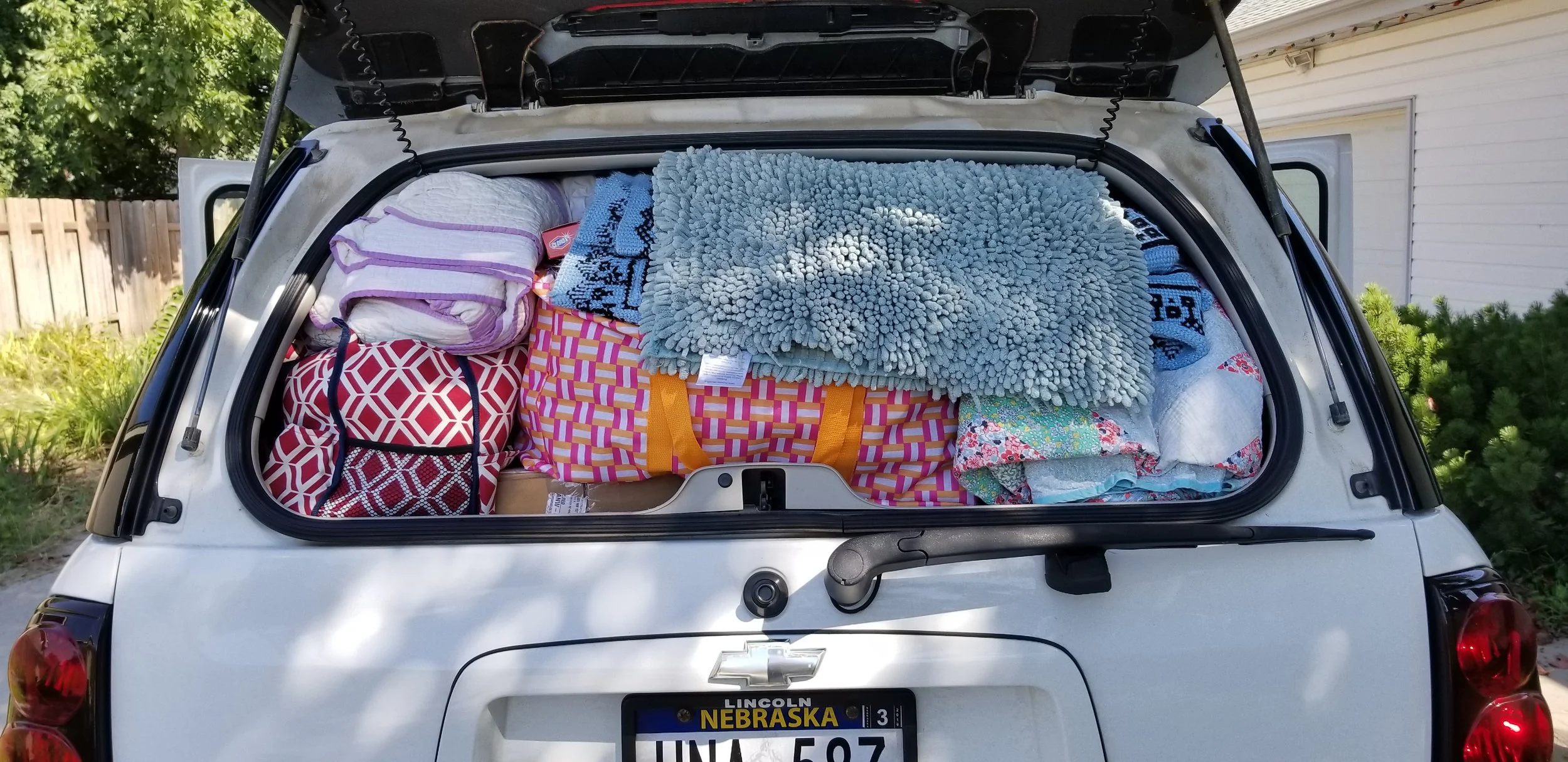
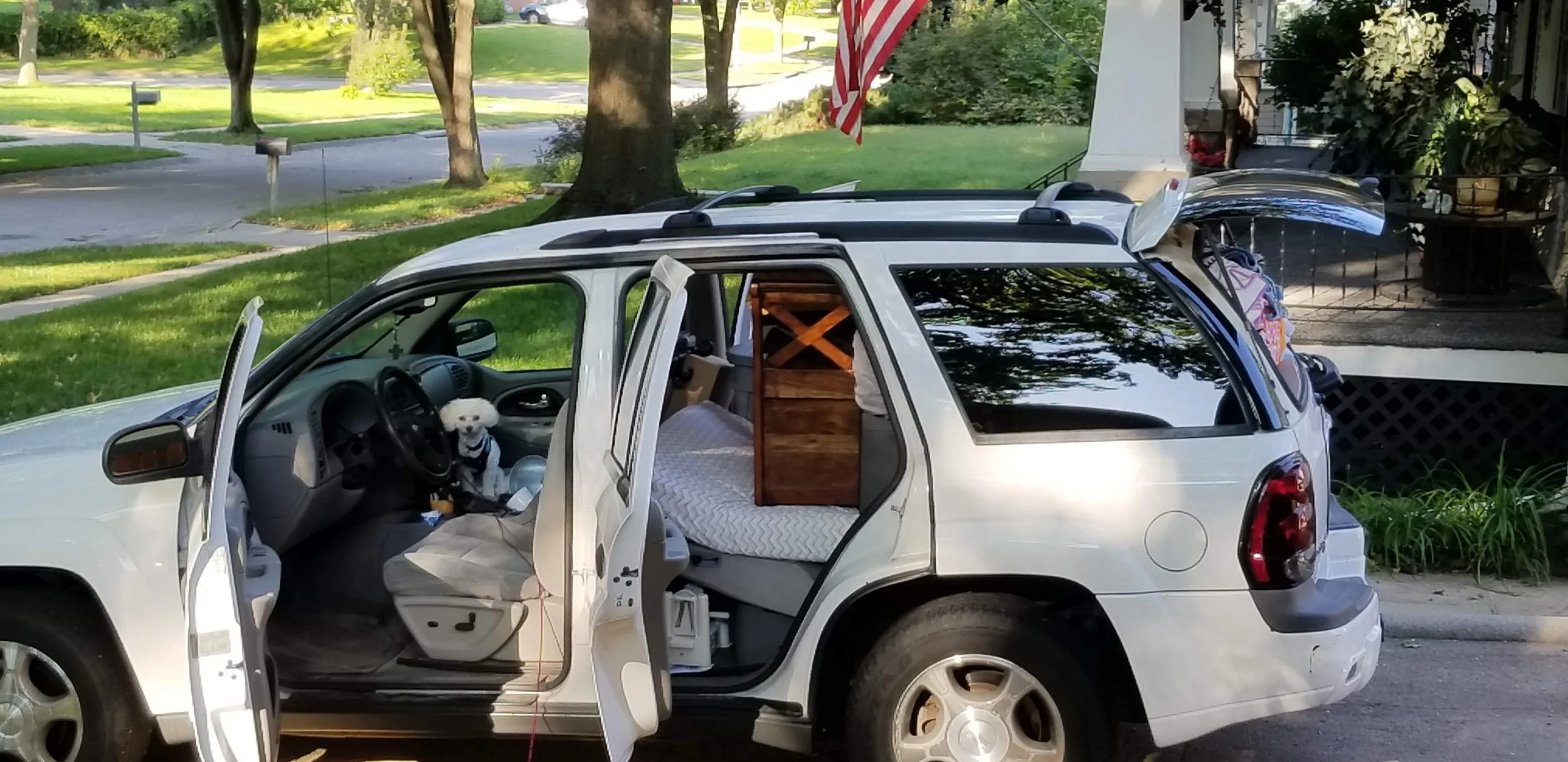
That meant going through all of it. The projects that had sat to be completed someday. The things I'd tucked into the back of a cupboard in just the right spot so I wouldn't forget them, and then forgot. All the boxes of stuff saved in the basement. The one and a half stall garage full of yard and maintenance equipment. Everything had to be gone through, sold, rehomed, given away, or tossed out. The only things that went somewhere else were my kids' childhood keepsakes. Since my kids weren’t established adults yet, those items went to my parents’ basement until they were ready to do their own sorting process of what to keep and what to toss.
That was my version of an empty nest. Yours may look nothing like it. Maybe you decide to keep your house, or your kids might already be established adults. Whatever your version looks like, the result is similar. You have transitioned to a life and a household that no longer revolves around your children being under the same roof as you.
What if I have no one to go with?
For years I wanted to see Starved Rock State Park, and I had no one to go with, so I didn't go.
One Wednesday night I asked myself why I couldn't go by myself. I threw a mattress in the back of my SUV and went. I wasn't worried about where I'd sleep or where I'd shower. I felt giddy and untethered, like I'd found a door I didn't know existed and it had been unlocked the whole time.
Plenty of us end up in that same spot when the kids leave. The people you'd have gone with have their own lives, and the trip you wanted keeps waiting for a good time. You can go by yourself. I did.
I'm not going to sugarcoat what this time in life feels like. Loneliness is real. You may have looked forward to the day your kids spread their wings, and then you find yourself wishing they were little again and needed you, even if only to do their laundry.
What is empty nest van life, and who is it for?
Empty nest van life means choosing to live in a van, or another small rolling home, after your kids have moved out. It's a stage of life more than a type of vehicle.
I write mostly with women over 45 in mind, but nothing here depends on that. If your kids have moved out and a van is on your mind, this is for you.
Whether van life suits your budget and your temperament is a separate question, and I take it up in a post on whether van life is right for you. This post assumes you're past that and asking how to begin once the kids leave.
What do I settle before I leave?
Money comes first, then your nightly safety routine. Both are much easier to build while you still have a stable address.
I'm a Federally Credentialed Enrolled Agent (EA), a federally licensed tax professional, and I put money first because it's the part that gets harder to fix once you're on the road. Start with a cushion. My 3-6-9 Buffer™ is a three-fund system, and the $900 Breakdown Buffer is the first fund I'd save. The 3-Month Living Fund and the 6-Month Freedom Fund grow from there.
If you're selling a house to do this, plan around the sale. A house sale can change your income for the year, which can change what you owe in taxes and what you pay for health insurance. Run those numbers before you list the house, not after closing. The IRS explains how the exclusion on gain from selling your main home works in Topic no. 701, Sale of your home. The step-by-step version lives in the Van Life Foundations Manual.
You'll also settle on a domicile, the state you legally call home. It affects your state taxes and your health insurance options, and it's worth deciding before you leave. I kept Nebraska because my parents live there and I use their address. I walk through how to choose in my domicile state guide.
Then comes the nightly routine. When your kids were home, someone usually knew where you were at night. On the road, arranging that becomes your job. The 60-Second Nightly Reset Protocol is what I run in every parking spot, and it has four steps: Escape Plan, Digital Lifeline, Van Confidence, and Gut Check. I never recommend staying anywhere without cell signal, because the Digital Lifeline depends on being reachable.
What do I do with the house and everything in it?
Decide about the house first, then sort what's inside it by asking whether each thing still does a job in the life you're about to live. Expect to sort more than once.
You can sell the house or rent it out. Renting keeps a door open if you find van life isn't for you. I sold mine.
As for what's inside, I'd skip the storage unit if you can. I'd rather not pay every month to store the past. Pass things on or digitize them now. If your kids want something, give it to them while you're around to see it used. I digitized my photos and let go of the originals.
None of this is one and done. Even at 399 square feet, things kept accumulating. I made nine moves in four years, and I finally decided that if I hadn't used something in four years and nine moves, I wasn't going to. Then I thought I'd downsized enough before I started van life, and after a few months on the road I did it all over again. What felt essential in the driveway turned out to be dead weight on the road.
The sorting method I use for sentimental items is in the Foundations Manual.
How do I stay anchored to my people?
Tell your family early, and give them something concrete to hold onto. The guilt I mentioned at the top is real, and for many of us it sounds like abandoning the person everyone gathers around. It deserves a hearing before you argue with it.
Sometimes the permission comes from the people you're afraid to leave. My daughter gave it to me.
I call the practice of staying close from the road the Nomadic Anchor. It starts with one honest conversation before you launch, the anchor conversation, where you tell your family what changes and what doesn't. Then you decide ahead of time when you'll stay put, which I call a Stationary Season, so the people who love you know when they can plan around you.
The Nomadic Anchor resource in my Foundations Manual walks you through the anchor conversation step by step and gives you a connectivity checklist for staying close without being on call. I wrote about the emotional side of leaving people behind in a companion post, because that part deserves more room than I have here.
Do I have to start in a van?
No. I didn't. My path from empty nest to full-time van life took five years, and it had stops along the way.
In 2018 I moved to a tiny house community in North Carolina. In 2020 I lived in a 33-foot motorhome for a year, towing my car, and I learned the limits of a bigger vehicle, mostly maneuvering and parking. In 2022 I moved to a tiny house community in South Carolina. In September 2023 I sold that tiny house and started full-time van life in a Toyota Sienna minivan, with Henry riding along. Now, I’m in a Ram ProMaster.
If a van feels like too big a leap, take a smaller step first. I did.
Where do I start?
Run the numbers on the house sale before you list it.
Save the $900 Breakdown Buffer, and choose your domicile before you leave.
Start sorting now, and expect to do it more than once.
Have the anchor conversation with your family and pick your Stationary Season.
Learn the nightly routine while you still have a stable address.
Van Lifestylist Tip
Every night I text someone where I've parked and say goodnight. If they don't hear from me, they check on me. Your kids can be good people to send it to, if they're willing.
When you're ready for the routine, the 60-Second Nightly Reset Protocol is free. Put your email in below and I'll send it to you.
Free Download
The 60-Second Nightly Reset Protocol
Enter your name and email and I'll send the protocol straight to your inbox.
You're in!
Check your inbox for the Protocol.Pick one step from the list and do it this week.